Short answer: effective hotel marketing in Muscat starts with a staycation offer that can be understood and booked without a sales conversation. Name the guest, the dates, the room, the useful inclusions, the local experience, the conditions and one booking action. A percentage discount is only one component; it is not the offer.
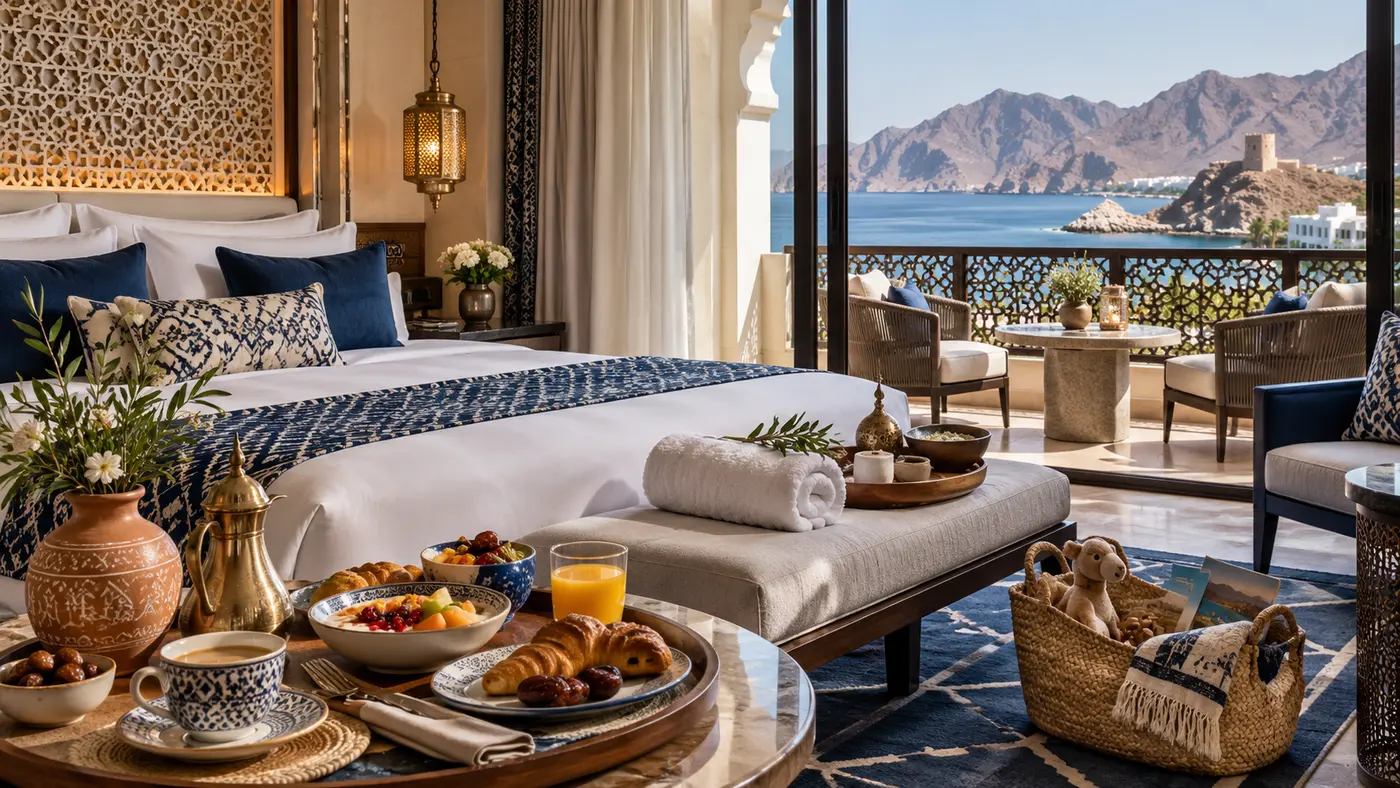
Muscat hotels compete in a market where the destination itself is part of the product: coastline, mountains, heritage, food, family time and short drives between distinct experiences. A generic “save 20%” message strips away that context. It gives a price reason to click, but not a concrete reason to stay.
Oman’s official tourism platform shows a more useful pattern. The 2025 #في_عمان / #WithinOman campaign combined rooms with food and beverage benefits, child stays, adventure, heritage and wellness experiences, supported by a direct digital booking path. Current Visit Oman listings in September 2026 also combine accommodation with activities such as city tours, cultural visits and family experiences. These examples do not prove that every bundle will outperform a room discount. They do show what a complete, bookable proposition looks like in the Omani market.
Why a room discount is not a complete staycation offer
A discount answers one question: “How much less?” A guest still has to solve several others:
- Is this designed for a couple, a family, friends or a solo reset?
- Which dates are available, and when is check-in?
- What is included beyond the room?
- Is the local experience onsite or offsite?
- What costs extra?
- How do I confirm the booking?
When those answers are scattered across a social post, a PDF, a direct message and a phone call, the offer creates work for the guest and the reservations team. Clear hotel marketing reduces that work.
This formula is not a promise of higher occupancy. It is a way to make the proposition easier to compare, explain and measure.
Build the Muscat offer in seven decisions
1. Choose one guest and one occasion
“Everyone in Oman” is not a useful audience. Start with a situation: a Muscat family seeking a one-night school-break change, a couple looking for a quiet weekend, GCC visitors adding a short stopover, or residents hosting relatives.
The occasion shapes the package. Families may value a child-friendly schedule and predictable meal details. A couple may care more about a late breakfast, privacy and a timed experience. A stopover guest needs clarity about transfers, check-in and the time required for each activity.
2. Give the stay a clear time boundary
State booking dates, stay dates, excluded dates and minimum nights in plain language. If availability changes, keep the landing page current and mark the last update. “Limited time” without a usable date creates urgency theatre, not clarity.
3. Select one room promise
Do not overload the headline with room categories. Lead with the room type most appropriate for the audience, then let guests view paid upgrades. If a view, balcony or connecting room matters to the experience, state whether it is included, subject to availability or an extra charge.
4. Add inclusions that remove planning friction
Breakfast, a defined check-out time, parking, a child meal, a scheduled transfer or an activity reservation can be more meaningful than a long list of weak extras. Each inclusion should either improve the stay or remove a small decision.
5. Connect the hotel to Muscat
The local component does not have to be elaborate. It could be a timed cultural visit, a short guided walk, a family activity, a spa ritual using an Omani ingredient, or a dining experience with a clear story. The important point is operational truth: confirm capacity, timing, transport and partner responsibilities before advertising it.
6. Write the conditions before the campaign
List taxes and fees, occupancy, child age rules, cancellation, upgrade charges, activity capacity and blackout dates. Put the most decision-critical conditions near the booking action. A long legal page cannot repair a misleading headline.
7. Use one primary booking action
Choose the action the operation can reliably support: book online, call reservations or message a dedicated number. One page may offer a secondary contact option, but the campaign should not send equal attention to four different destinations.
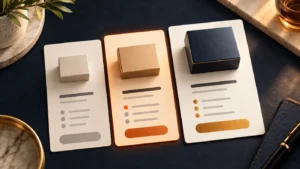
Generic promotion versus bookable Muscat package
| Element | Generic promotion | Bookable offer |
|---|---|---|
| Audience | Everyone | Named guest and occasion |
| Value | Room discount | Stay plus useful inclusions and one local reason to go |
| Timing | Limited time | Booking and stay windows shown |
| Conditions | Terms apply | Key eligibility, fees and exclusions visible |
| Action | Contact us | One direct booking path |
| Measurement | Likes and reach | Offer views, booking starts, completed bookings and package revenue |
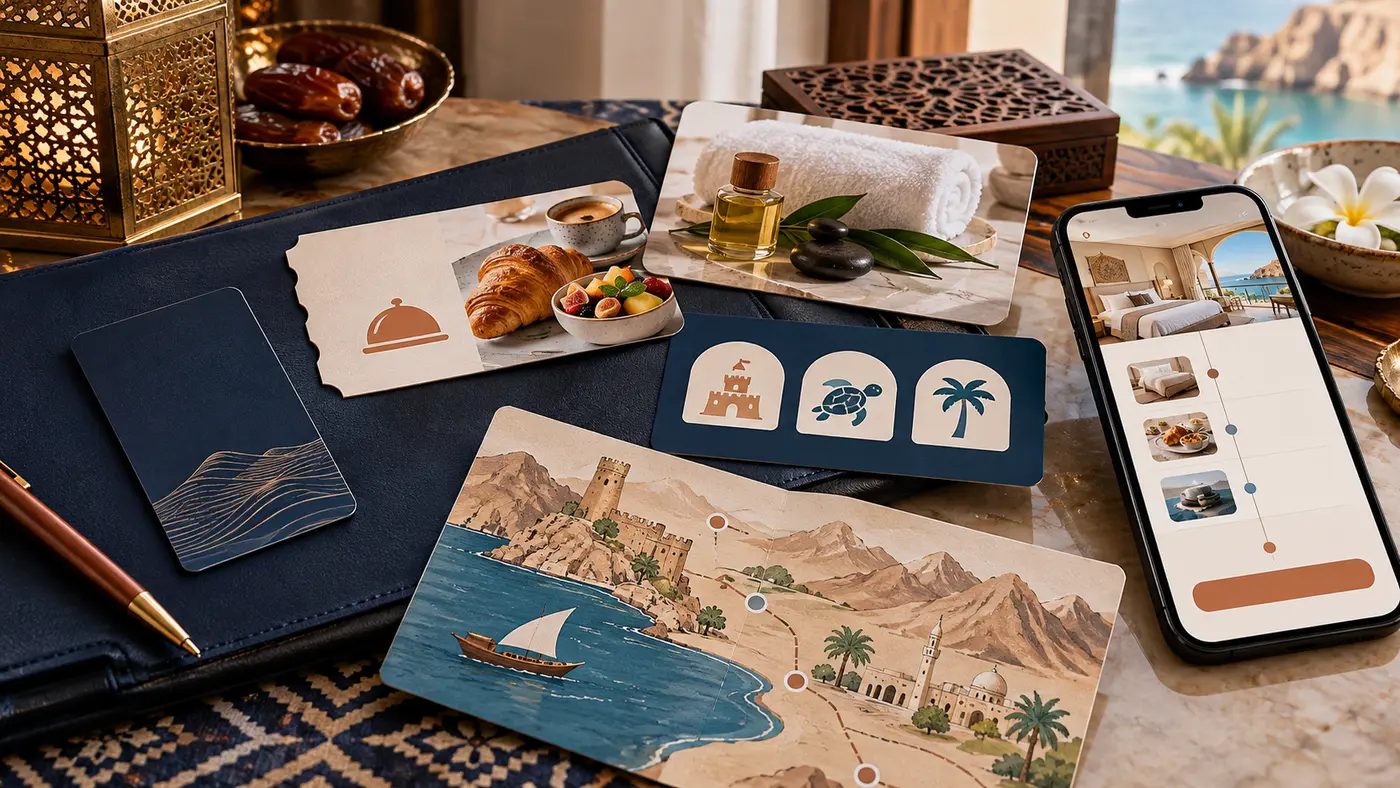
Hypothetical example: a Muscat hotel creates “One Night, One Local Story” for Oman residents during selected October weekends. The package includes a defined room type, breakfast, late check-out subject to confirmation, and a reserved two-hour cultural activity. The page states occupancy, child rules, cancellation and transport. This is an illustrative planning example, not a real campaign or performance result.
How to price without hiding the decision
Price presentation should match how guests buy. If the offer is per room, show the occupancy assumption. If it is per person, state the minimum number of guests and what happens for children or single occupancy. If an activity is optional, separate it from the base total.
A crossed-out rate is not a substitute for a value explanation. Help the guest understand what the package includes and which components would otherwise require separate planning. Do not invent a saving amount unless the comparison basis is current, available and like for like.
Useful test: ask a reservations colleague to read the page without campaign context. Can that person quote the same total, inclusions and conditions that the guest sees? If not, the offer is not ready.
Measure the offer as a booking journey
Separate attention from commercial progress. A campaign can attract views while the package page fails to move guests toward a booking. Track the stages you can observe reliably:
- Offer views: visits to the dedicated package page.
- Booking starts: clicks or sessions that enter the booking flow with the package selected.
- Completed bookings: confirmed transactions attributed by your booking system.
- Package revenue: booked room and package value, kept separate from social engagement metrics.
- Operational questions: repeated calls or messages that reveal missing information on the page.
Do not merge website engagement, reservation data and advertising reach into one vague “campaign performance” number. Each answers a different question. Where attribution is incomplete, label the gap instead of assigning every booking to the last visible campaign touchpoint.
A 60-minute offer workshop
- 15 minutes: choose one guest, one occasion and one stay window.
- 15 minutes: select the room and three inclusions that remove planning friction.
- 10 minutes: add one Muscat-specific experience the operation can deliver.
- 10 minutes: write the price basis, eligibility and exclusions.
- 10 minutes: choose one booking action and name the four metrics you can actually collect.
End the workshop with a single sentence a front-desk or reservations colleague can repeat accurately. If the sentence needs three footnotes before it makes sense, simplify the package.
Final takeaway
Good hotel marketing in Muscat does not begin with a louder discount. It begins with a specific guest problem: “I want a short break, but I do not want to plan every detail.” A strong staycation offer solves that problem with a coherent package, transparent conditions and a direct booking path. The room remains important, but the decision is made around the complete, believable experience.
Sources and method
This guide was researched on 30 September 2026. It uses current and recent first-party Oman tourism pages to identify offer patterns, not to claim that any specific package caused higher occupancy. Semrush’s Oman database was also checked on 30 September 2026: the consumer phrase “Muscat hotel deals” showed a reported monthly search volume of 30, while the B2B phrases used for this guide returned no data. That small signal informed wording only and was not treated as market size.